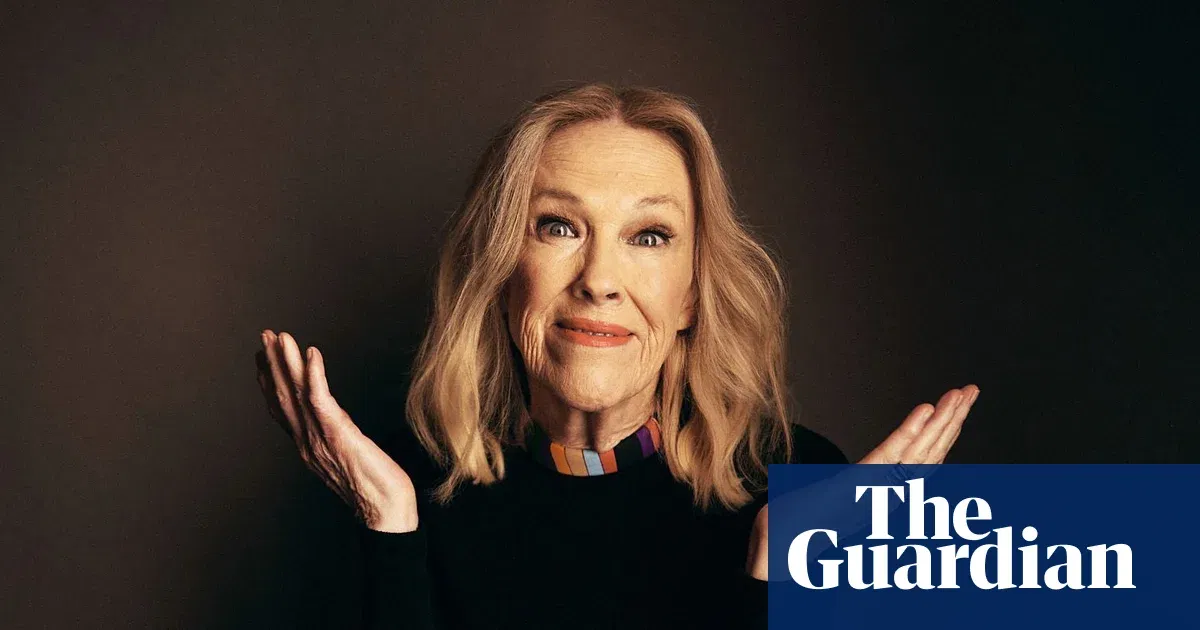
The recent passing of Catherine O'Hara at age 71 has prompted an outpouring of tributes from colleagues, fans, and world leaders, highlighting the profound impact of this legendary Canadian actress and comedian. While news of her death on January 30, 2026, has dominated headlines, understanding O'Hara's remarkable five-decade career provides essential context for why she became such an iconic figure in comedy and entertainment.
From Waitress to Comedy Star: The Second City Beginnings
Catherine Anne O'Hara was born on March 4, 1954, in Toronto, Canada, and her path to stardom began in an unlikely way—as a waitress at Toronto's famed Second City comedy theatre. According to Britannica, O'Hara initially served tables while studying improv, eventually replacing Gilda Radner in the cast when Radner left for Saturday Night Live. This humble beginning at Second City would launch not only O'Hara's career but also establish lifelong creative partnerships with fellow comedians like Eugene Levy, John Candy, and Martin Short.
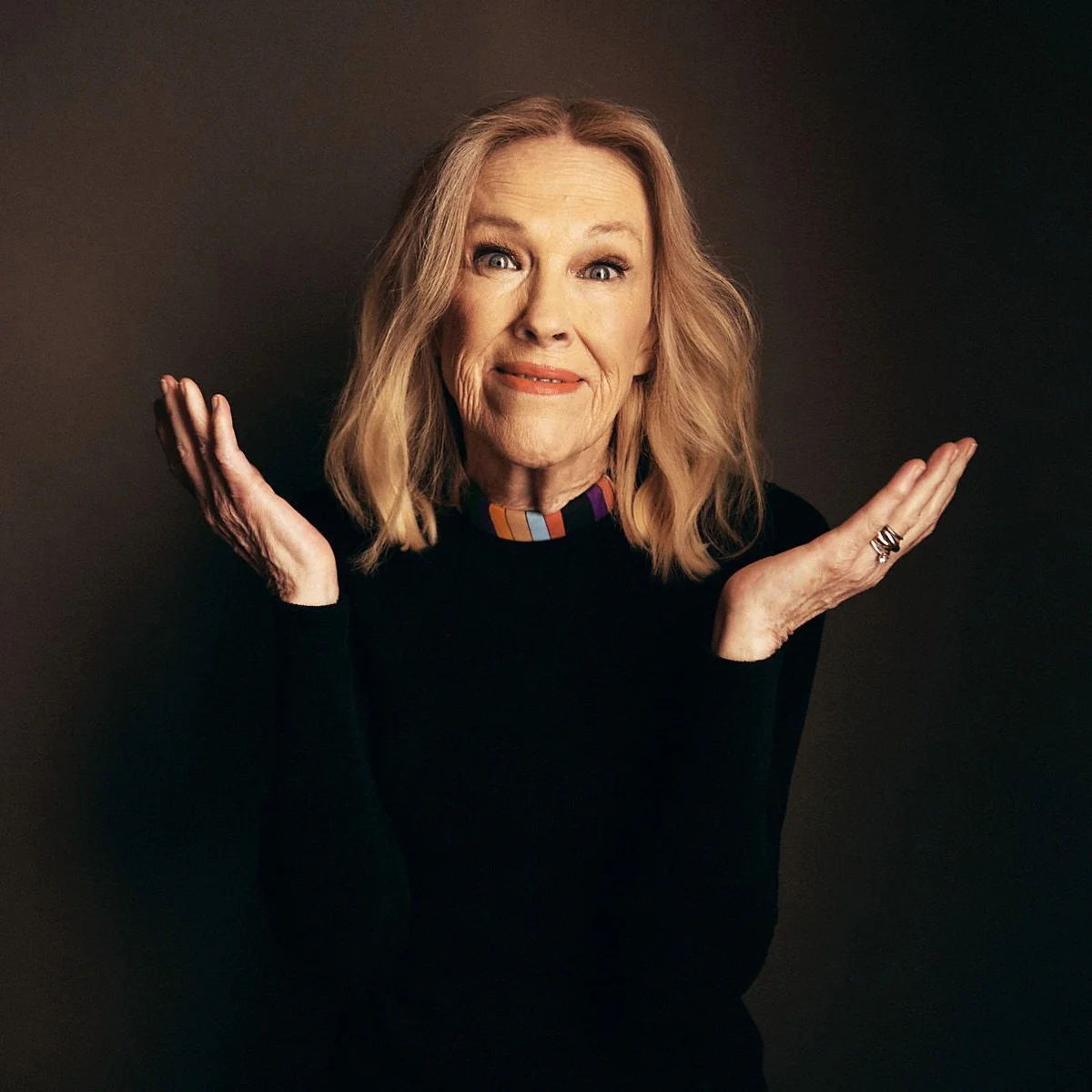
Her breakthrough came with the Canadian television sketch comedy show SCTV (Second City Television), where she created memorable characters and showcased her improvisational genius. Variety notes that O'Hara's work on SCTV earned her two Emmy Awards and established her reputation as one of the most versatile comedians of her generation. During this period, she developed her signature style—blending sharp wit with genuine humanity, a combination that would define her entire career.
Building an Iconic Film Career: How O'Hara Became a Household Name
O'Hara's transition from television to film happened organically through collaborations with fellow SCTV alumni. Her film debut came in 1980's "Double Negative," but it was her role as the skeptical neighbor in Tim Burton's "Beetlejuice" (1988) that introduced her to mainstream American audiences. However, her most iconic film role came just two years later when she played Kate McCallister in John Hughes' "Home Alone" (1990).
The film's massive success—it became the highest-grossing live-action comedy of all time—made O'Hara's face recognizable to millions worldwide. She reprised the role in "Home Alone 2: Lost in New York" (1992), cementing her status as a beloved family film actress. But O'Hara's film work extended far beyond these blockbusters. She became a key collaborator with director Christopher Guest, appearing in his acclaimed improvisational mockumentaries including "Waiting for Guffman" (1996), "Best in Show" (2000), "A Mighty Wind" (2003), and "For Your Consideration" (2006).
The Schitt's Creek Phenomenon: Understanding O'Hara's Late-Career Renaissance
While many actors experience career peaks early, O'Hara achieved what might be her most celebrated work in her sixties with the television series "Schitt's Creek." Created by Eugene Levy and his son Dan Levy, the show premiered in 2015 and initially had modest viewership. However, as AP News reports, the series gained tremendous popularity through Netflix, culminating in a historic sweep at the 2020 Emmy Awards where it won all seven major comedy categories.
O'Hara's portrayal of Moira Rose—a former soap opera star adjusting to small-town life after losing her fortune—became an instant cultural icon. Her extravagant vocabulary, dramatic pronunciation, and ever-changing collection of wigs created a character that was both hilariously absurd and surprisingly vulnerable. For this role, O'Hara won an Emmy for Outstanding Lead Actress in a Comedy Series in 2020, along with numerous other awards. The character became so beloved that Moira Rose's distinctive speech patterns and fashion sense inspired countless memes, Halloween costumes, and even academic analyses.
The Unique Health Condition: What Was Dextrocardia with Situs Inversus?
In addition to her professional achievements, O'Hara was known for having a rare genetic condition that she openly discussed in interviews. As reported by USA Today, O'Hara had dextrocardia with situs inversus—a condition where the heart is positioned on the right side of the chest rather than the left, and in some cases, other organs are mirrored as well.
This condition affects only about 1 in 10,000 people and is present from birth. O'Hara spoke about how she discovered her condition during a routine medical examination and how it never significantly impacted her health or career. Her openness about this unusual anatomical feature helped raise awareness about the condition and demonstrated her characteristic willingness to share personal details with humor and grace.
The Final Chapter: O'Hara's Last Public Appearances and Health Challenges
According to People magazine, O'Hara's final major public appearance occurred at the 2025 Emmy Awards on September 14, where she was nominated for her role in "The Studio." Photographs from the event show her wearing a custom Dior gown and appearing in good spirits as she walked the red carpet. This appearance came just four months before her passing.
Reports from multiple news sources indicate that O'Hara experienced a brief illness leading up to her death. The Daily Mail obtained 911 call records indicating she was "struggling to breathe" before being transported to the hospital. While the exact cause of death hasn't been officially confirmed, her talent agency CAA stated she suffered from a "brief illness" prior to her passing at her Los Angeles home.
Understanding the Outpouring: Why the World Mourned O'Hara's Passing
The immediate and widespread reaction to O'Hara's death underscores her unique position in the entertainment world. Tributes poured in from across the globe, with Canadian Prime Minister Justin Trudeau calling her "a national treasure" and "one of the funniest people to ever grace our screens." Former co-stars and collaborators shared heartfelt memories, with Macaulay Culkin posting, "She was like a second mother to me on set, and a dear friend off it."
Eugene and Dan Levy released a joint statement saying, "Catherine was not only an unparalleled talent but the kindest, most generous soul. Working with her was the privilege of a lifetime." The breadth of these tributes—from political leaders to comedy legends to former child actors—demonstrates how O'Hara's influence transcended generations and genres.
Legacy and Lasting Impact: What Made Catherine O'Hara Special
Analyzing O'Hara's career reveals several key factors that contributed to her enduring appeal and respect within the industry. First was her versatility—she excelled in sketch comedy, film, television, and voice work (including her role as Sally in "The Nightmare Before Christmas"). Second was her collaborative spirit; she repeatedly worked with the same creative teams, building relationships that produced exceptional work over decades.
Perhaps most importantly, O'Hara possessed a rare ability to make eccentric characters feel genuinely human. Whether playing an overwhelmed mother in "Home Alone," a pretentious former actress in "Schitt's Creek," or a dog show enthusiast in "Best in Show," she always found the emotional truth beneath the comedy. This combination of technical skill and emotional authenticity is what made her performances so memorable and beloved.
Final Reflections: What We Can Learn from Catherine O'Hara's Career
Catherine O'Hara's journey from Toronto waitress to internationally celebrated comedy legend offers valuable insights about artistic development and career longevity. Her willingness to start at the ground level, her commitment to collaborative creation, and her ability to adapt to changing industry landscapes while maintaining artistic integrity provide a model for aspiring performers.
Her late-career success with "Schitt's Creek" particularly demonstrates that artistic peaks can come at any age, and that quality work eventually finds its audience. As the entertainment world continues to process her loss, O'Hara's extensive body of work ensures that new generations will discover and appreciate her unique comedic genius for years to come. Through her films, television shows, and the countless performers she inspired, Catherine O'Hara's legacy as one of comedy's most original and beloved voices remains secure.