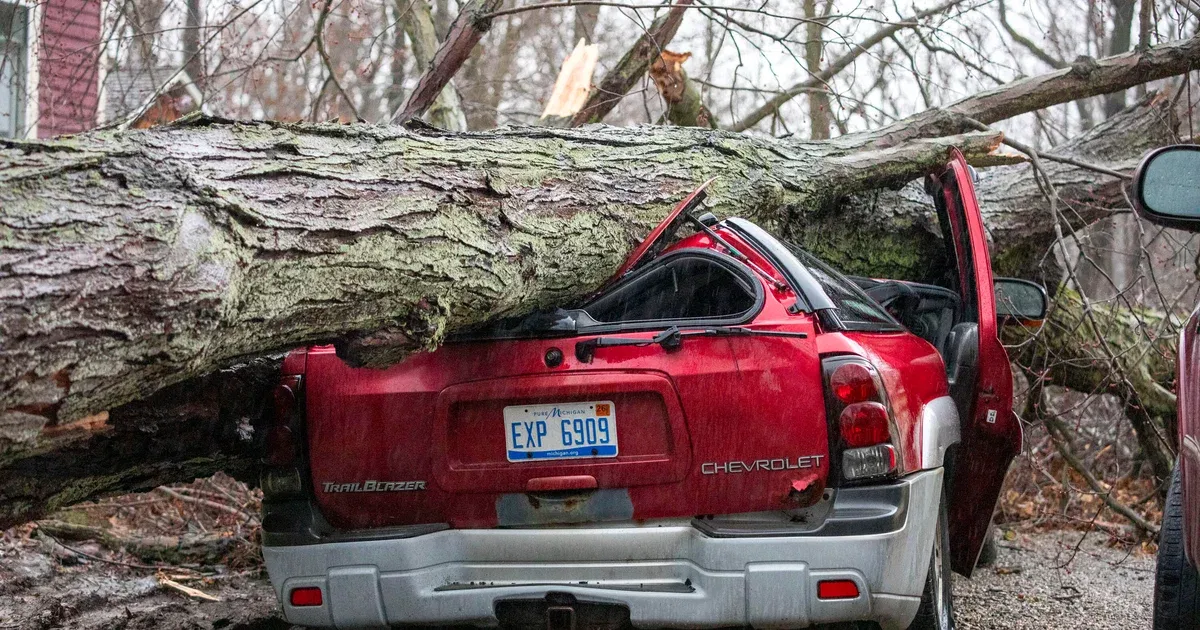
A deadly EF-3 tornado tore through Union City, Michigan on Friday, March 6, 2026, killing three people and injuring twelve others while causing widespread destruction across Branch County. With wind speeds reaching at least 165 mph—just one mile per hour shy of EF-4 classification—this violent twister serves as a stark reminder of tornadoes' devastating power. But what exactly causes these destructive weather phenomena, and how can you stay safe when tornado warnings sound?
How the Union City Tornado Unfolded: A Timeline of Destruction
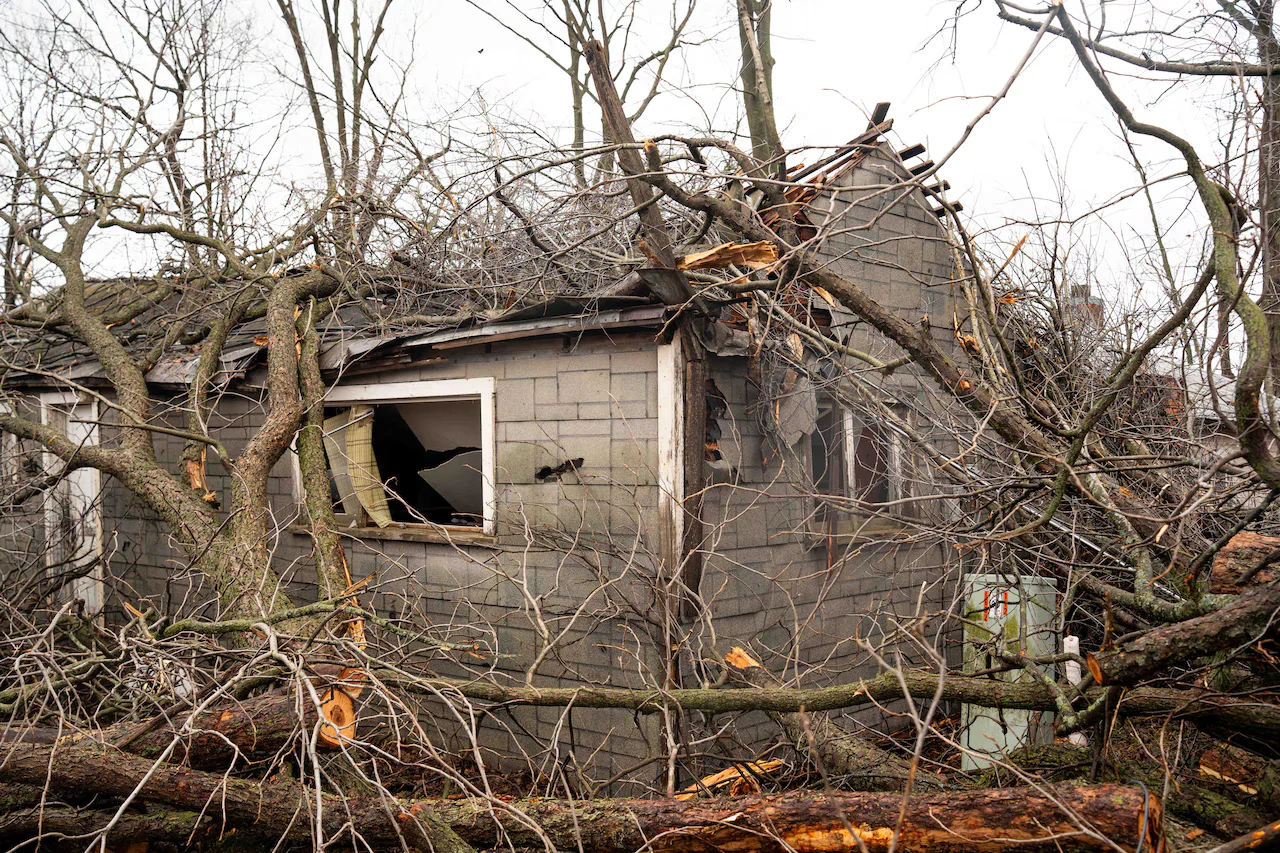
According to the National Weather Service, at least three tornadoes touched down in southern Michigan during Friday's severe storms, with the most destructive being the EF-3 tornado that ripped through Union City in Branch County. The federal agency reported wind speeds of at least 165 mph, placing it at the very top of the EF-3 category on the Enhanced Fujita Scale—just 1 mph below EF-4 classification. This tornado claimed three lives and injured twelve people while severely damaging numerous homes and structures in its path.
Officials indicated that only a small portion of the tornado's possible track has been assessed so far, with additional details about its distance traveled and duration expected to be released as they become available. The last EF-3 tornado to hit Michigan occurred in Gaylord in 2022, making this event particularly significant for the region.
Two other tornadoes were confirmed in the region: an EF-2 tornado with winds of at least 130 mph touched down in Three Rivers, approximately 30 miles southwest of Union City, damaging commercial structures along U.S. Highway 131 and West Broadway Street. Meanwhile, an EF-0 tornado with peak winds around 85 mph swept through Clarendon Township in Calhoun County, causing minor damage to structures including a chicken coop that lost its roof and a farm building with collapsed walls.
Tragically, Sheriff Clint Roach of Cass County reported that a 12-year-old boy, identified as Silas Anderson, was killed in Friday's storms. In response, Michigan Governor Gretchen Whitmer announced she would be declaring a state of emergency for Branch, Cass, and St. Joseph counties to mobilize resources for recovery efforts.
The Science Behind Tornado Formation: From Thunderstorms to Twisters
Tornadoes develop from powerful thunderstorms under specific atmospheric conditions. According to the National Oceanic and Atmospheric Administration (NOAA), tornado formation requires a particular combination of wind patterns within a thunderstorm. When warm, moist air rises through colder, drier air above, it creates instability that can lead to severe thunderstorms.
The most destructive tornadoes typically form from supercells—rotating thunderstorms with a well-defined radar circulation called a mesocyclone. As air rises within the storm, wind variations with height can cause the rotating air to tilt vertically, forming a funnel cloud that may eventually reach the ground as a tornado. This process involves complex interactions between updrafts and downdrafts, with precipitation playing a key role in creating the necessary rotation.
While no two tornadoes are exactly alike, they all share this fundamental formation process that transforms ordinary thunderstorms into nature's most violent wind phenomena. Understanding these mechanisms helps meteorologists predict when and where tornadoes might develop, though their exact path and intensity remain challenging to forecast with precision.
Understanding Tornado Intensity: The Enhanced Fujita Scale Explained
The Enhanced Fujita (EF) Scale, implemented in 2007, is the standard system for rating tornado intensity based on damage to structures and vegetation rather than direct wind measurements. The scale ranges from EF-0 (weak) to EF-5 (violent), with each category corresponding to estimated wind speeds and typical damage patterns.
The Union City tornado was rated EF-3, which corresponds to wind speeds between 136 and 165 mph. At this intensity, tornadoes can cause severe damage: well-built houses may lose entire stories, trains can be overturned, and trees are debarked. The fact that this tornado reached 165 mph—just shy of EF-4 classification—explains the extensive structural damage observed in Union City.
Here's a quick reference for the EF Scale categories:
- EF-0 (65-85 mph): Light damage to roofs, siding, and tree branches
- EF-1 (86-110 mph): Moderate damage with roofs severely stripped and mobile homes overturned
- EF-2 (111-135 mph): Considerable damage with roofs torn off well-constructed houses
- EF-3 (136-165 mph): Severe damage with entire stories of houses destroyed
- EF-4 (166-200 mph): Devastating damage with well-built houses leveled
- EF-5 (200+ mph): Incredible damage with strong frame houses swept away
The EF Scale helps emergency managers and researchers understand tornado impacts while providing the public with a clear framework for comprehending these events' destructive potential.
What to Do During a Tornado: Life-Saving Safety Tips
When a tornado warning is issued, immediate action is crucial for survival. The National Weather Service provides specific guidance based on your location:

At Home: Go to your basement, storm shelter, or an interior room on the lowest floor away from windows. Bathrooms and closets often provide good protection. Use mattresses, blankets, or helmets to protect yourself from flying debris, and don't forget to bring pets if time allows.
At Work or School: Follow established tornado drills and proceed calmly to designated shelter areas. Avoid large open rooms like cafeterias, gymnasiums, or auditoriums, and stay away from windows and exterior walls.
Outdoors or in Vehicles: Seek shelter in a sturdy building immediately. If no building is available, lie flat in a ditch or low-lying area and cover your head with your hands. Never try to outrun a tornado in a vehicle, as they can change direction suddenly and vehicles offer little protection.
In Mobile Homes: Evacuate immediately and seek shelter in a substantial building or designated storm shelter. Mobile homes are particularly vulnerable to tornado damage and should never be considered safe during a tornado warning.
Staying weather-ready means having multiple ways to receive warnings, such as NOAA Weather Radio, smartphone alerts, and local news broadcasts. Preparing a family emergency plan and practicing tornado drills can make the difference between life and death when severe weather strikes.
Where Things Stand Now: Recovery Efforts in Union City
In the aftermath of the Union City tornado, recovery operations are underway with multiple agencies coordinating relief efforts. The Michigan State Police reported that the Salvation Army and Disaster Relief at Work were going door-to-door on Saturday with meals and cleaning supplies for affected residents in both Union City and Three Rivers.
Approximately 70 structures were affected by the deadly tornado, according to authorities, with search and rescue teams continuing to assess the full extent of the damage. While no one remains in critical condition from the injuries sustained, the community faces a long road to recovery as they rebuild homes and businesses.
Governor Whitmer's state of emergency declaration enables state resources to support local response efforts, including debris removal, temporary housing assistance, and infrastructure repairs. Residents impacted by the severe weather are encouraged to call 211 for information about available resources and support services.
As cleanup continues, meteorologists and emergency managers are analyzing the tornado's path and characteristics to improve future warning systems and community preparedness. The Union City event serves as a sobering case study in tornado preparedness and response for communities across tornado-prone regions.
Key Takeaways: Understanding Tornadoes and Staying Safe
Tornadoes remain among nature's most destructive forces, but understanding their formation and knowing how to respond can save lives. The Union City EF-3 tornado demonstrates how quickly these storms can develop and the devastating impact they can have on communities.
Remember these essential points:
- Tornadoes form from severe thunderstorms when specific wind conditions create rotating updrafts
- The Enhanced Fujita Scale classifies tornado intensity from EF-0 to EF-5 based on damage indicators
- Immediate shelter in interior rooms, basements, or storm shelters is crucial when warnings are issued
- Multiple methods of receiving weather alerts ensure you have time to take protective action
- Community preparedness and practiced response plans significantly improve survival rates
While tornado prediction has improved dramatically in recent decades, these storms can still strike with little warning. By combining scientific understanding with practical safety knowledge, individuals and communities can better prepare for and respond to these dangerous weather events.