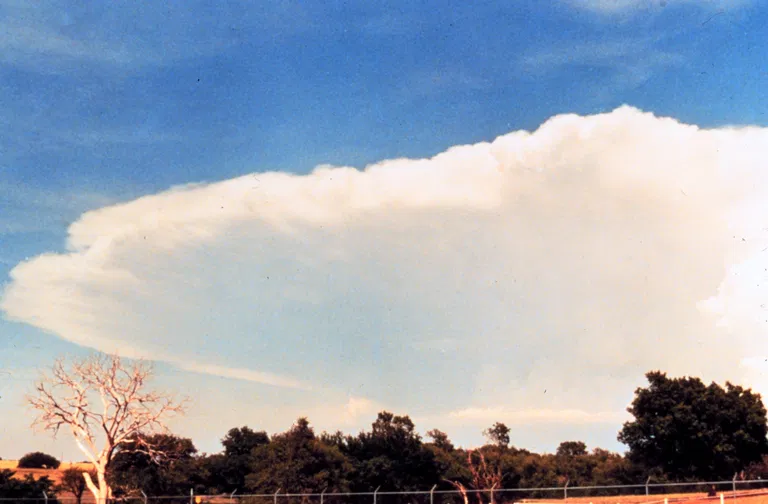
A storm is any disturbed state of the atmosphere that produces strong winds, heavy precipitation, or both — and it ranks among nature's most common and most powerful forces. From the towering thunderstorms that rumble across the Plains each summer to the blizzards that bury the Northeast in winter, storms shape everyday life, disrupt travel, and can turn dangerous in a matter of minutes. With a major Thanksgiving storm system recently knocking out power for hundreds of thousands of people across the United States, and wind advisories and high wind warnings lighting up weather apps from coast to coast, understanding how storms form, the main types that exist, and what those wind alerts actually mean has never mattered more.
What Is a Storm, and How Do These Weather Systems Form?
At its core, a storm is any disturbed state of the atmosphere that produces strong winds, heavy precipitation, or both. Nearly every storm begins with the same three basic ingredients: warm, moist air, an unstable atmosphere, and something to lift that air upward.
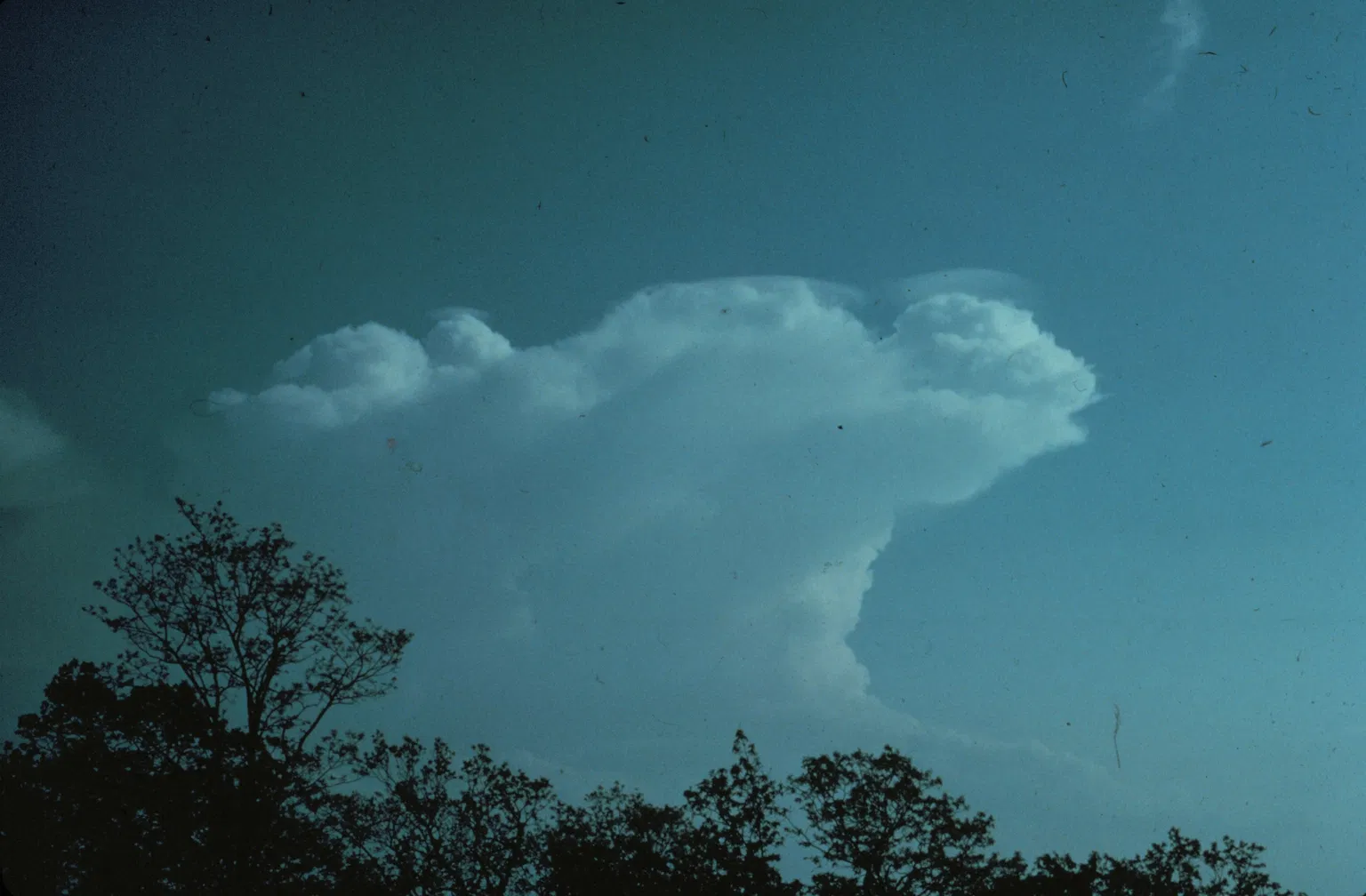
The process starts when warm, moist air rises into colder air. As the air climbs, it cools, and the water vapor it carries condenses into tiny water droplets, forming clouds. This rising motion — a process meteorologists call convection — transfers heat from Earth's surface into the upper atmosphere. When the air is humid, the atmosphere is unstable, and wind shear is present, that rising air can build towering clouds capable of unleashing heavy rain, lightning, hail, and damaging winds.
Winter storms begin in much the same way — with moist air rising into the atmosphere to form clouds and precipitation. The key difference is temperature: when moisture falls through a layer of freezing air, it becomes snow, sleet, or freezing rain rather than plain rain. Hurricanes, meanwhile, are fueled by warm ocean water, which supplies the heat and moisture that power these most powerful of all weather systems.
How a Thunderstorm Develops: The Three-Stage Life Cycle
The most familiar kind of storm, the thunderstorm, unfolds in a remarkably predictable three-stage life cycle that meteorologists have observed for decades:
- Cumulus stage: Warm, moist air rises and a puffy cumulus cloud begins growing vertically, sometimes reaching heights of 20,000 feet (about 6 kilometers).
- Mature stage: The cloud becomes a full cumulonimbus — the classic thunderhead — with strong updrafts feeding it and downdrafts pulling cooler air downward. This is the stage when rain, lightning, hail, and gusty winds appear.
- Dissipating stage: Downdrafts take over, cutting off the storm's supply of warm, moist air, and the storm gradually weakens and rains itself out.
From Thunderstorms to Blizzards: The Main Types of Storms
Storms come in many forms, each carrying its own hazards. Thunderstorms dominate the warmer months and can spawn lightning, flash flooding, large hail, and even tornadoes. Hurricanes are the most powerful of all weather systems, forming over warm ocean water and packing sustained winds above 74 mph. Winter storms, as defined by the National Weather Service, are a combination of heavy snow, blowing snow, and dangerous wind chills — a category that includes blizzards, ice storms, and lake-effect snow events.
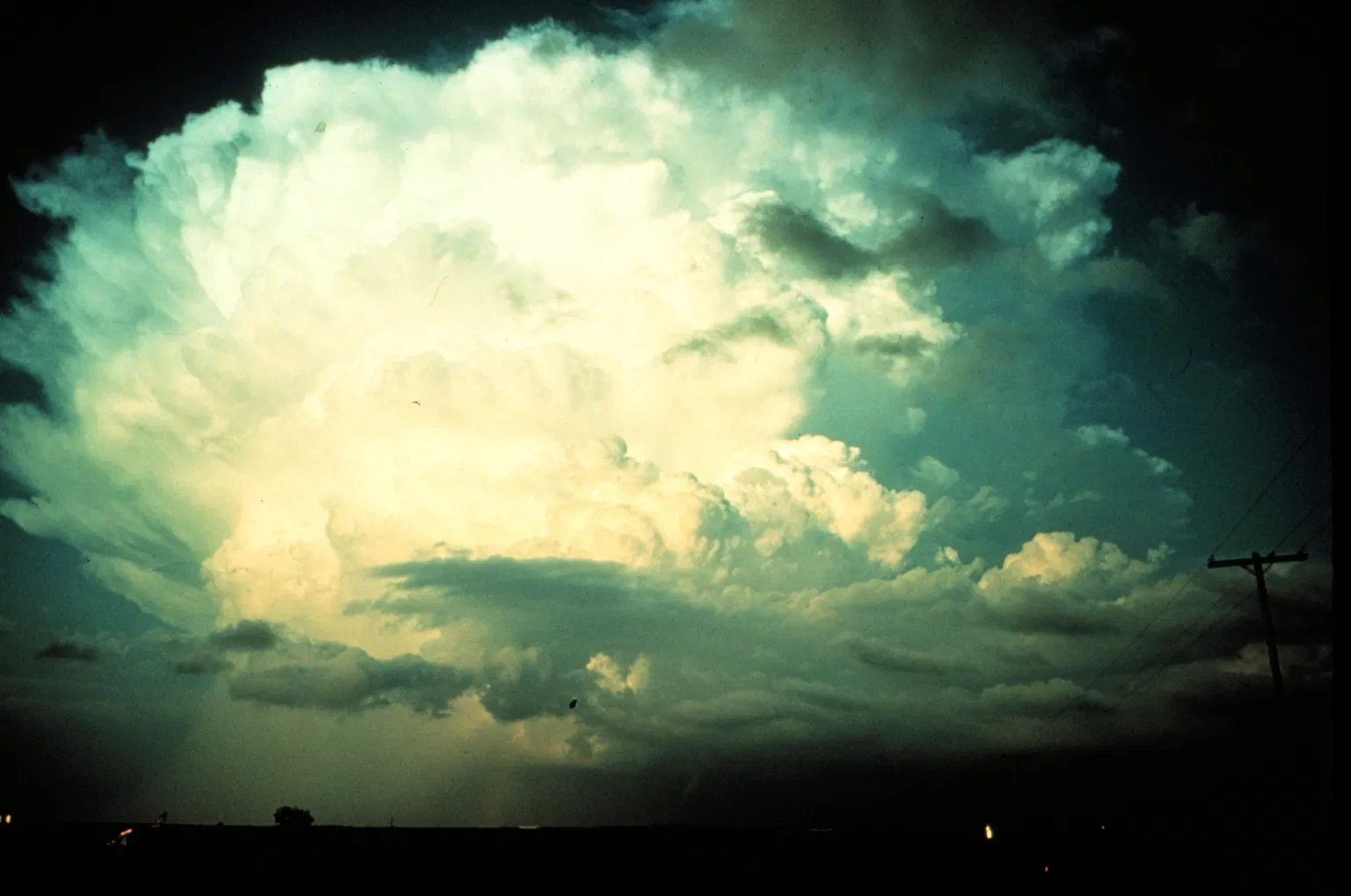
Hailstorms, while less frequent, can cause billions of dollars in damage in a single season, typically striking in the warmer weather of late spring and summer. Understanding which type of storm you are facing matters because each requires a slightly different safety response.
Wind Advisory vs. High Wind Warning: What the Alerts Actually Mean
When strong, non-thunderstorm winds are on the way, the National Weather Service issues two main alerts — and the difference between them matters more than most people realize.
A wind advisory means sustained winds of roughly 31 to 39 mph are expected, or gusts between 46 and 57 mph. It signals conditions that could cause inconvenience or minor damage — think small tree branches down, unsecured trash cans and lawn furniture blowing around, and tricky driving for high-profile vehicles.
A high wind warning is the more serious of the two. It is issued when sustained winds of 40 mph or greater are expected to last an hour or longer, or when wind gusts of 58 mph or more are forecast for any duration. This is the level where trees can be toppled, power lines snapped, and widespread outages and structural damage become a real possibility.
As a general rule of thumb: a watch means conditions are possible, so be prepared; a warning means the event is happening or imminent, so take action now; and an advisory sits one step below a warning, flagging conditions that are inconvenient but not usually life-threatening.
Storm Alerts in Action: The Thanksgiving Storm of 2026
The Thanksgiving holiday of 2026 offered a real-world reminder of what these alerts look like in practice. Two separate storm systems lashed both coasts of the United States, bringing rain, snow, and powerful winds that upended holiday travel for millions of Americans. At the storm's peak, more than 800,000 homes and businesses were reported without power, with high winds, flooding, and travel disruptions stretching across large stretches of the country. A potent Thanksgiving Day system brought heavy rain, high winds, and flooding to the Ohio Valley and beyond — a textbook example of why meteorologists urge people to pay close attention to wind advisories and warnings before hitting the road.
How to Stay Safe When a Storm or High Wind Warning Arrives
Preparation is often the difference between a minor inconvenience and a serious emergency. The National Weather Service and emergency-preparedness experts recommend taking these steps before severe weather arrives:
- Secure loose outdoor objects such as patio furniture, trash cans, and holiday decorations, or bring them inside.
- Close and lock windows and doors, and move valuable items away from them.
- Anchor or fasten bookcases, cabinets, and other heavy objects that could topple in strong winds.
- Charge phones ahead of time and keep flashlights, extra batteries, and a battery-powered radio ready in case the power goes out.
- During the storm, stay indoors and away from windows, and avoid driving unless absolutely necessary.
Above all, treat every high wind warning as a signal to stop and reassess — especially if you have travel plans.
The Bottom Line: Key Storm Facts to Remember
- A storm is a disturbed state of the atmosphere that produces strong winds, heavy precipitation, or both.
- Most storms begin with warm, moist air rising into cooler air, where the moisture condenses into clouds.
- Thunderstorms develop through three stages — cumulus, mature, and dissipating.
- A wind advisory (31–39 mph sustained or 46–57 mph gusts) signals minor risk; a high wind warning (40+ mph sustained or 58+ mph gusts) signals serious danger.
- Preparation — securing loose objects, staying informed, and heeding warnings — is the single best way to stay safe.