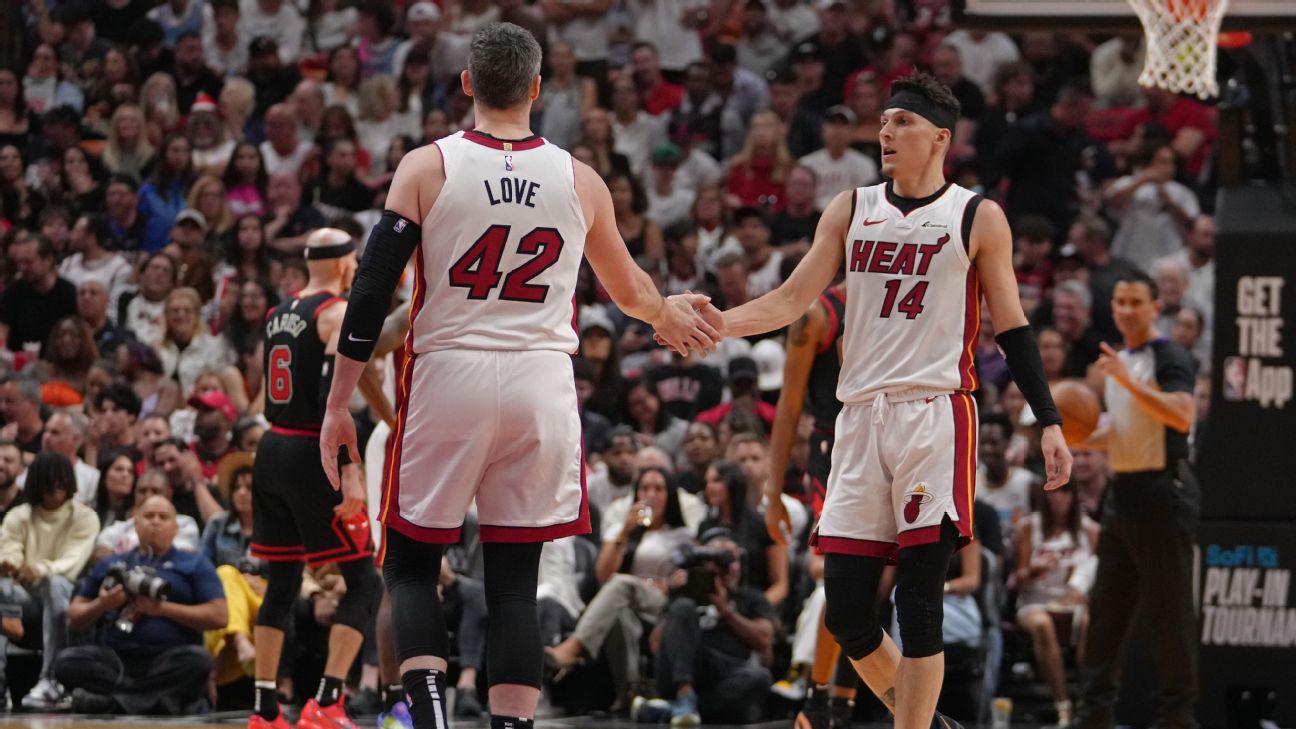
The NBA play-in tournament has become one of the most exciting additions to professional basketball in recent years, creating a high-stakes mini-tournament that determines the final playoff spots. As the bridge between the regular season and the main NBA playoffs, this format adds drama and opportunity for teams on the postseason bubble.
How the NBA Play-In Tournament Works: The Complete Format
At its core, the NBA play-in tournament is a preliminary postseason competition that determines the seventh and eighth seeds in both the Eastern and Western Conferences. The tournament involves the four teams that finish the regular season ranked 7th through 10th in each conference standings, creating what essentially amounts to a "last chance" opportunity for teams that just missed automatic playoff qualification.
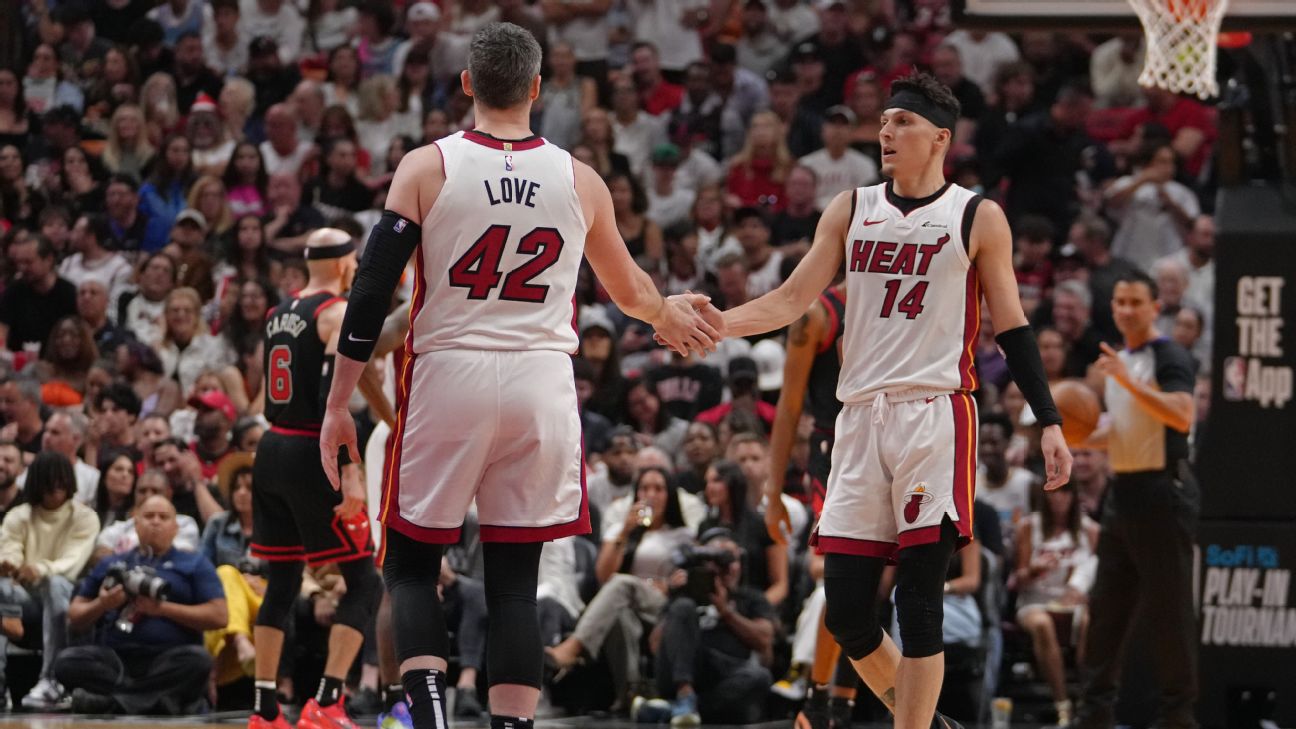
The tournament follows a specific two-round format that maximizes drama while giving higher-seeded teams an advantage. In the first round, the 7th-place team hosts the 8th-place team, with the winner earning the 7th seed in the playoffs. Simultaneously, the 9th-place team hosts the 10th-place team in an elimination game where the loser's season ends immediately. The winner of the 9th-10th matchup then travels to face the loser of the 7th-8th game, with the victor of that contest claiming the 8th and final playoff seed in their conference.
From Bubble Experiment to Permanent Fixture: The Play-In Timeline
The NBA play-in tournament made its debut during the unique 2019-2020 season that concluded in the Orlando "bubble" following the COVID-19 pandemic shutdown. Originally conceived as a way to add competitive meaning to the resumed season for more teams, the format proved so popular that the NBA adopted it as a permanent fixture beginning with the 2020-2021 season.
According to Wikipedia, the tournament was officially approved by the NBA Board of Governors on June 4, 2020, with the first play-in games occurring that August. The current format has remained largely consistent since its implementation, though the NBA has adjusted scheduling details and branding partnerships over time, with financial services company SoFi becoming the tournament's presenting sponsor.
Why the Play-In Tournament Changes Everything for NBA Teams
The introduction of the play-in tournament has significantly altered how teams approach the latter part of the regular season. Previously, teams securely in 7th or 8th place could essentially coast into the playoffs, while 9th and 10th place teams had little to play for once eliminated from top-8 contention. Now, as CBS Sports notes, the tournament "compresses an entire season's worth of tension into four days of win-or-go-home basketball," keeping more teams engaged in meaningful games deeper into the season.
From a competitive standpoint, the format creates what analysts call "competitive integrity"—forcing teams to earn their playoff spots through head-to-head competition rather than simply benefiting from a strong early-season record. It also reduces the incentive for "tanking" (intentionally losing games to improve draft position) since more teams remain in postseason contention until the final days of the regular season.
Where Things Stand Now: The Warriors-Clippers Example
The drama of the play-in tournament was on full display in a recent matchup between the Golden State Warriors and Los Angeles Clippers. According to NBA.com reporting, Stephen Curry scored 27 points in the second half to lead the Warriors to a dramatic 126-121 comeback victory over the Clippers. This game exemplified the tournament's win-or-go-home pressure, with the Warriors' season hanging in the balance before their superstar took over in clutch moments.
This specific matchup between the 9th-seeded Clippers and 10th-seeded Warriors showed how the play-in format can create compelling narratives even between teams with vastly different regular season expectations. The Warriors, who entered the season with championship aspirations, found themselves fighting for their postseason lives against a Clippers team that had exceeded expectations to reach the play-in tournament.
What Happens Next: The Road to the NBA Playoffs
Following the completion of the play-in tournament, the winners claim the 7th and 8th seeds in their respective conferences and advance to face the top-seeded teams in the first round of the NBA playoffs. The tournament typically concludes just one day before the main playoff bracket begins, creating a seamless transition from the play-in drama to the traditional postseason format.
For teams that emerge victorious from the play-in tournament, they face the daunting task of immediately taking on either the 1st or 2nd seeded team in their conference—typically a powerhouse squad that has enjoyed several days of rest while the play-in teams battled for survival. This setup creates what many consider the ultimate "reward" for surviving the play-in: a chance to compete in the NBA playoffs, albeit as heavy underdogs against the league's elite teams.
The Bottom Line: Key Points to Remember
The NBA play-in tournament has fundamentally changed how the league approaches the transition from regular season to playoffs. By involving four teams per conference in a short, high-stakes competition, it keeps more franchises and fan bases engaged deeper into the season while adding must-watch television events to the NBA calendar. Whether you're a casual fan trying to understand the format or a seasoned observer analyzing its competitive implications, the play-in tournament represents one of the most significant innovations in recent NBA history—a perfect blend of sports drama and competitive fairness that looks poised to remain a fixture for years to come.